Biology - Online Test
Q1. Disease or infections which are transmitted through sexual intercourse are collectively called
Answer : Option B
Explaination / Solution:
Venereal Diseases (VD) also referred to as Sexually transmitted infections (STI) and sexually transmitted diseases (STD) are infections that are commonly spread by sex, especially vaginal intercourse, anal sex or oral sex. Most STIs initially do not cause symptoms.
Q2. Proteins that form huge pores in the membrane of the certain organelles and bacteria are called as
Answer : Option A
Explaination / Solution:
The porinsare proteins that form huge pores in the outer membranes of the plastids, mitochondria and some bacteria allowing molecules up to the size of small proteins to pass through.
Q3. Tendons connect
Answer : Option A
Explaination / Solution:
Tendons are dense connective tissue which provide strength and attach muscles to bones.
Q4. In five kingdom of classification, the kingdom Plantae are autotrophic, eukaryotic and
Answer : Option D
Explaination / Solution:
The Kingdom plantae includes all types of eukaryotic, multicellular, photosynthetic plants found in this biosphere. Most of the organism in this kingdom is autotrophs, which synthesis their own food with the help of solar energy.
Q5. Process of parturition is facilitated by :
Answer : Option C
Explaination / Solution:
The process of parturition begins after completion of gestation period. The muscles present in uterus start contracting due to release of hormone relaxin and Oxytocin.
Q6. CAM is a special photosynthetic pathway found to be present as adaptation within:
Answer : Option C
Explaination / Solution:
Crassulacean acid metabolism photosynthesis pathway is present as adaptation in xerophytes in which stomata opens during night to prevents loss of water by transpiration.
Q7. The requirement of micro nutrient are always low if the concentration increases it leads to
Answer : Option D
Explaination / Solution:
The requirement of micronutrients is always in low amounts while their moderate decrease causes the deficiency symptoms and a moderate increase causes toxicity.
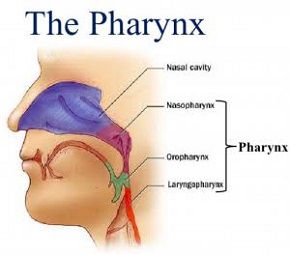
Q8. The part which is common passage for both digestive and respiratory tracts :
Answer : Option A
Explaination / Solution:
In humans the pharynx is part of the digestive system and also of the conducting zone of the respiratory system. The oesophagus and the trachea (wind pipe) open into the pharynx.
Q9. The organism which causes pneumonia in human beings is
Answer : Option D
Explaination / Solution:
In human beings pneumonia is caused by bacterium Streptococcus pneumoniae that cause inflammation in lungs. This bacterium is atrichous as it lacks flagella of body surface.
Q10.
Match the following :
| Column A | Column B |
| a) Unipolar nerves | i) Nerve cells of retina |
| b) Mixed nerves | ii) Nerve cells of cerebral cortex |
| c) bipolar nerves | iii) Nerves of embryonic stage |
| d) Multipolar nerves | iv) All the spinal nerves |
Answer : Option A
Explaination / Solution:
Unipolar nerves are present in nerves of embryonic stage. Mixed nerves are found in all the spinal nerves. Bipolar nerves are present in nerve cells of retina. Multipolarnerves are present in nerve cells of cerebral cortex.