Biology - Online Test
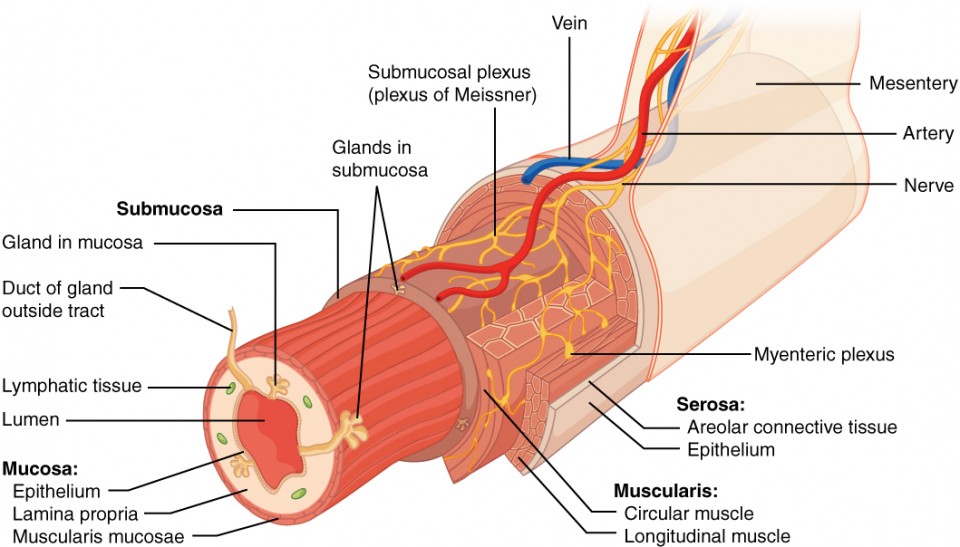
Q1. Correct sequence of layers in gut wall from inside to outside is :
Answer : Option B
Explaination / Solution:
The wall of alimentary canal is made of four layers performing different functions. The inner most layer is called mucosa followed by submucosa,muscularis and serosa. Theses layers are made of different kind of tissues to perform different function.
Q2. Asexual reproduction is common in
Answer : Option D
Explaination / Solution:
Asexual reproduction is common in Protists and Monera. Both these kinds include organisms having single celled body. Binary and multiple fissions are generally followed for asexual mode of reproduction.
Q3. The incubation period of Hepatitis 'B' virus is
Answer : Option C
Explaination / Solution:
Incubation period is the time elapsed between exposure to a pathogenic organism, a chemical, or radiation, and when symptoms and signs are first apparent.
The incubation period of the hepatitis B virus is 75 days on average, but can vary from 30 to 180 days. The virus may be detected within 30 to 60 days after infection and can persist and develop into chronic hepatitis B.
Q4. Mohan lacks one or more type of cone cells in the retina of his eye. So he will suffer from :
Answer : Option B
Explaination / Solution:
Colour perception of human eye is due to presence of cones in their retina. If one of more kinds of cones are missing from retina of eye, the person suffer from genetic disease called colour blindness.
Q5. The sporophytes bearing sporangia having leaf-like appendages are called
Answer : Option B
Explaination / Solution:
The sporophytes bear sporangia that are subtended by leaf-like appendages called sporophylls.
Q6. Middle lamella is mainly composed of
Answer : Option C
Explaination / Solution:
The middle lamella is a layer mainly of calcium pectate which holds or glues the different neighbouring cells together.
Q7. Enzymes called ______ add complementary nucleotides, floating inside the nucleus.
Answer : Option B
Explaination / Solution:
The DNA polymerases are enzymes that create DNA molecules by assembling nucleotides, the building blocks of DNA. These enzymes are essential to DNA replication and usually work in pairs to create two identical DNA strands from one original DNA molecule. It is found floating freely inside the nucleus.
Q8. Scientist awarded noble prize in 1960 for tracing the path of carbon is
Answer : Option A
Explaination / Solution:
Melvin Calvin awarded noble prize in 1960 for tracing the path of carbon during photosynthesis. The cycle of event is named after him as Calvin cycle.
Q9. Habit of Cigarette smoking can lead to :
Answer : Option A
Explaination / Solution:
The habit of Cigarette smoking can lead to coughing, emphysema and loss of cilia lining the respiratory tract. It contain nicotine that breaks the wall of alveoli to reduce respiratory surface.
Q10. The dividing and undifferentiated cells are known as
Answer : Option C
Explaination / Solution:
The differentiated mass of cells is called callus. During tissue culture, callus is formed when small part of plant is kept in nutrient medium. Callus cells divide rapidly.